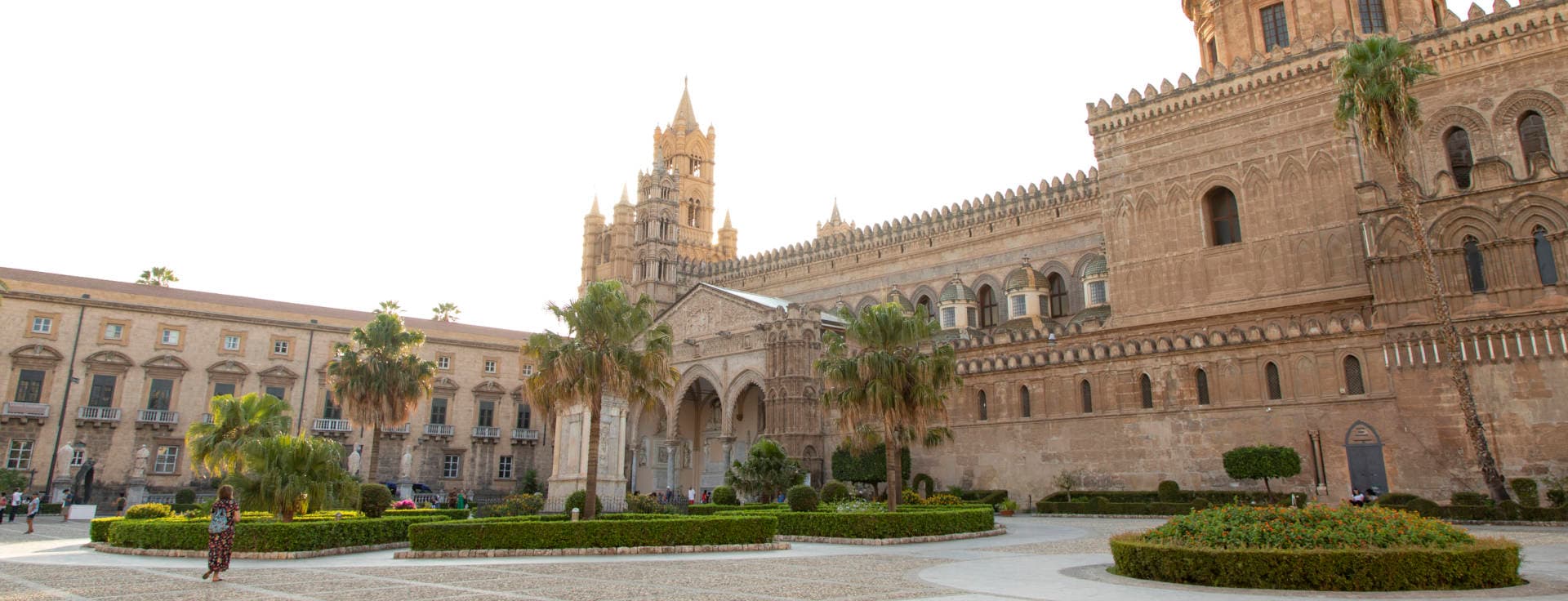
Palermo and its Arab-Norman Itinerary have been named a World Heritage Site: an immensely important recognition for a city that has always presented itself as the pearl of the Mediterranean and a key crossroads between Europe and the Middle East.
Shaped by many dominations, Palermo has many faces and countless styles: an open city, in constant movement. Especially during the Arab-Norman period, the coexistence and blending of cultures gave rise to a cultural, artistic and human heritage now honoured with the highest distinction.
The nine monuments of the Itinerary
The monuments that make up the UNESCO site "Arab-Norman Palermo and the Cathedrals of Cefalù and Monreale" number nine and are essential to understanding Arab-Norman art. Each place carries peculiarities and signs through which the canons of this art reach their highest expression: religious and civic buildings, works of artistic value or great ingenuity, concrete proof of how different languages — Islamic, Byzantine, Latin — can merge and become a pillar of medieval Mediterranean architecture.
The sites are divided between Palermo, Cefalù and Monreale. In Palermo are the Royal Palace and the Palatine Chapel, the Church of San Giovanni degli Eremiti, the Church of Santa Maria dell'Ammiraglio, the Church of San Cataldo, the Palazzo della Zisa, the Cathedral and the Admiral's Bridge; in Cefalù and Monreale, their respective cathedrals.
B&B Gallery Luxury is ideally placed to set off in discovery of the Arab-Norman Itinerary, walking down Via Maqueda towards the Quattro Canti. Its bright, welcoming rooms offer just the right comfort to those who come to visit Palermo and its architectural wonders.
Cefalù and Monreale
Cefalù and Monreale are two delightful towns just outside Palermo. Monreale lies just beyond the city: climbing from the sea towards the mountain you reach its magnificent monumental complex, formed by the Cathedral, the Benedictine Monastery and the Royal Palace. The cloister of the ancient monastery is a brilliant example of the blend of Islamic and Norman art, a place suspended in time, enriched by the forms and decorations of its columns.
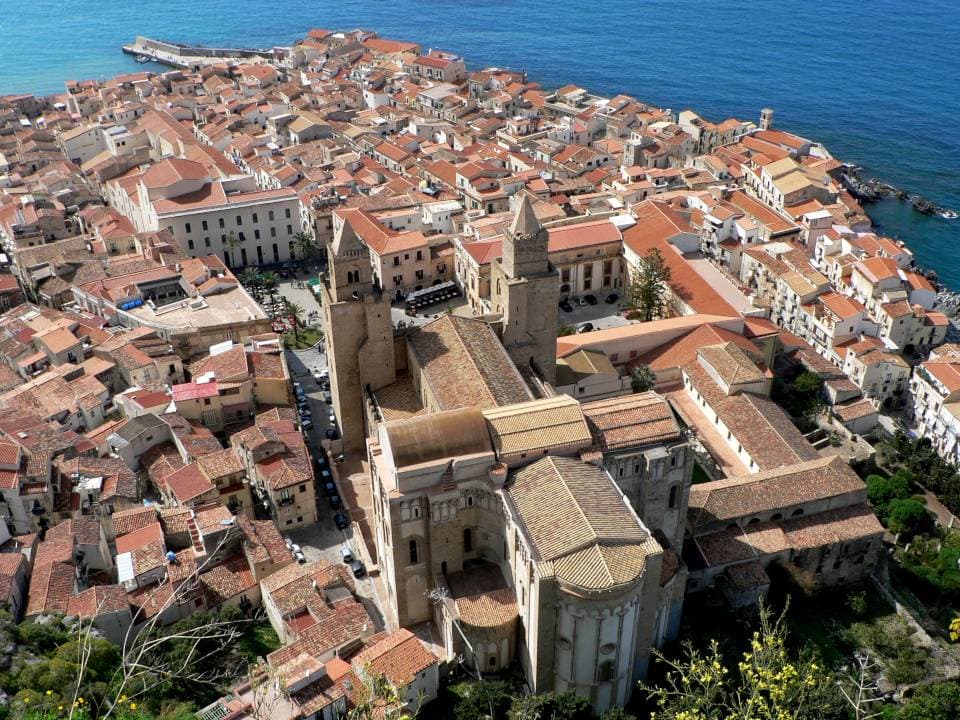
Cefalù, on the other hand, is a small jewel at the foot of the Madonie Park, set between mountain and sea, a treasure chest of monumental and natural riches. The Cathedral rises over the town, offering a wonderful view from the sea; inside, the Christ Pantocrator is a brilliant example of Byzantine art in Sicily.